Morning News Brief — Monday, November 2, 2026
1. World developments
- Iranian negotiators have left Doha, but mediation remains active. An official briefed on the talks said their departure Sunday did not reflect a breakdown; a draft proposal is circulating and another meeting is possible. Tehran says Hormuz could reopen within two days under an agreement, provided Washington ends its naval blockade and addresses Iranian demands. No final agreement has been announced. MarketScreener Canada
Why it matters: The accelerated proposal offers the clearest recent route toward restoring Gulf shipping, but the United States and Iran remain divided over sanctions, sequencing and when nuclear restrictions must be addressed. - The region is nevertheless preparing for renewed fighting after Tuesday’s U.S. election. President Trump has not ruled out additional strikes. Iran has threatened geographically unrestricted retaliation, while Gulf officials warn that another escalation would be more destructive. China plans to send an envoy to Iran, Oman and Saudi Arabia during November. apnews.com
Why it matters: Diplomatic optimism rests beside extensive military preparations, leaving energy infrastructure, U.S. bases and neighboring Gulf states exposed if negotiations fail. - Oil has fallen sharply on mediation hopes. Early Monday, Brent was down about 3.2% near $109.75, while WTI declined 3.3% to approximately $100.69. The move followed three days of Qatar-mediated discussions and no major weekend military escalation. MarketScreener India
Why it matters: The decline provides some inflationary relief, but prices remain exceptionally high and could reverse quickly if the draft agreement is rejected. - No broader Russia–Ukraine breakthrough followed the Oleshky humanitarian truce. Moscow remains willing in principle to attend U.S.-brokered talks during November, but no date or agenda has been finalized. reuters.com
Why it matters: The localized operation demonstrated limited cooperation, but neither side has converted it into a general ceasefire or an agreed negotiating process.
2. South Asia
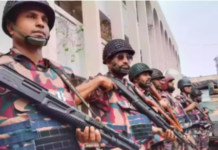
- Bangladesh’s garment factories reopened, but fresh clashes continued. Police again used tear gas and water cannon as workers demanded a minimum monthly wage of 30,000 taka, up from 12,500. Sunday’s disruption reportedly affected 529 factories and nearly one million workers; Border Guard personnel remain deployed in Gazipur. reuters.com
Why it matters: The reopening reduces immediate shipment risk, but continuing unrest threatens buyer confidence in an industry producing more than 80% of Bangladesh’s exports and supporting roughly four million jobs. - The new wage board faces a difficult economic compromise. Workers cite sharply higher food, housing, healthcare and transportation costs. Manufacturers point to energy shortages, weaker export demand and rising production expenses; some have threatened a “no work, no pay” policy if factories are forced to close again. reuters.com
Why it matters: A substantial increase could ease severe household pressure but may strain smaller exporters unless introduced gradually and supported by higher productivity and better prices from international buyers. - No similarly consequential, independently verified overnight change emerged elsewhere in South Asia. India’s fuel-price unrest and Pakistan–Afghanistan security tensions remain important continuing stories, but the Bangladesh garment dispute is the region’s principal new development this morning.
3. Major maritime news
- A tanker was struck by two projectiles in the northern Arabian Gulf this morning. UKMTO placed the incident about 72 nautical miles east of Ras al-Khafji, Saudi Arabia. The tanker was traveling southeast; all crew were accounted for and no pollution was reported initially. ukmto.org
Why it matters: The attack extends the immediate danger beyond the narrow Hormuz transit lane and raises the risk to vessels trading near Saudi and Kuwaiti terminals. - Another possible Hormuz casualty is under investigation. On Sunday, a ship’s master relayed a Mayday report stating that another vessel had been hit by an unknown projectile in the strait. UKMTO has not yet published the vessel’s identity, damage or crew condition. ukmto.org
Why it matters: The incomplete report reinforces the substantial gap between incidents occurring and operators receiving enough verified information for routing and insurance decisions. - A boarded fishing vessel may become a pirate “mother ship.” UKMTO believes unauthorized personnel who seized a large fishing vessel could use it as part of a pirate action group. Separately, suspicious small craft equipped with ladders and a hook have been reported in the Gulf of Aden; Operation Atalanta is investigating. ukmto.org
Why it matters: A mother ship would give pirates greater endurance and operational range, potentially renewing threats to vessels beyond the immediate Somali coast. - Hormuz traffic remains severely depressed despite the proposed reopening plan. Iran says the strait could reopen fully within two days of an agreement, but no arrangement has been accepted and attacks continue. MarketScreener Canada
Why it matters: Owners and charterers cannot treat diplomatic proposals as operational security guarantees; crew safety, war-risk cover and naval guidance remain decisive.
4. United States
- More than 51 million Americans have voted before Election Day. Early participation has surpassed the comparable 2022 midterm figure. All 435 House seats and 35 Senate seats are being contested; Republicans currently hold a 53–47 Senate majority and a very narrow House advantage. investing.com
Why it matters: Control of Congress—and the administration’s ability to advance its domestic, defense and economic agenda—may be decided by a relatively small number of closely contested states and districts. - Election litigation continues immediately before voting ends. The Justice Department may ask the Supreme Court to intervene in its effort to separate more than 20,000 California ballots associated with people it alleges may be noncitizens. State officials dispute the list’s accuracy, and lower courts have resisted changing procedures after voting began. The Associated Press
Why it matters: Even if the government does not prevail, the dispute could complicate certification and supply a template for post-election challenges in close races. - Affordability, the Iran war and President Trump dominate the closing campaign. High fuel and grocery costs, tariffs and persistent inflation have created a difficult environment for Republicans. Democrats are favored to contest House control, while the Senate remains less certain. apnews.com
Why it matters: A Democratic victory in either chamber would produce divided government, greater oversight of the administration and an increased possibility of budget and debt-ceiling confrontations.