Morning Briefing — Wednesday, November 18, 2026
1. World developments
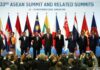
- Trump, Xi and Putin gather in Shenzhen for unusually consequential talks. The APEC summit opens amid disputes over trade, AI technology, nuclear arms and regional security. Ukraine and Iran are expected to enter the discussions, although the leaders may have sharply different objectives. Trump is also considering a possible meeting with North Korean leader Kim Jong Un. theguardian.com
Why it matters: Even limited understandings among the three powers could influence the Ukraine war, Iran conflict, technology controls and the broader global trading system. - Ukraine’s allies are attempting to strengthen its air defenses before new peace talks. Kyiv asked the Ukraine Defense Contact Group for faster delivery of Patriot, NASAMS and other systems as Russian attacks on cities and energy infrastructure intensify. European leaders will meet Thursday in Berlin to coordinate their position before another possible negotiating round with Moscow. as it happened
Why it matters: Europe is trying to prevent Washington and Moscow from determining Ukraine’s territorial and security arrangements without meaningful European participation. - COP31’s draft agreement offers competing—and potentially removable—fossil-fuel provisions. One option repeats the 2023 commitment to “transition away” from fossil fuels; another calls for a stronger phaseout. Either could disappear from the final text. Governments also remain divided over adaptation finance and Turkey’s proposal to raise electricity’s share of global energy use to 35% by 2035. reuters.com
Why it matters: The negotiations are approaching Friday’s deadline without consensus on the summit’s central questions: fossil fuels, finance and responsibility for implementation.
2. South Asia
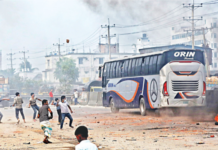
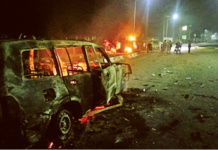
- Bangladesh’s garment wage unrest turned violent again Tuesday. Police used tear gas and stun grenades after thousands of workers blocked the Dhaka–Mymensingh highway and protests spread through industrial districts. Workers are demanding a Tk30,000 monthly minimum, up from Tk12,500. Industry sources told AFP that roughly 500 factories were closed; the postponed wage-board meeting is now scheduled for November 23. AFP.com
Why it matters: Continued disruption threatens Bangladesh’s largest export industry during a crucial production and delivery period and could leave workers without wages under factory-closure provisions. - Pakistan’s mediation on the Iran conflict remains active. Islamabad says it is awaiting Washington’s response to Iran’s latest proposals, while the Economic Cooperation Organization has endorsed Pakistani and Qatari mediation. Pakistan has also linked better relations with Afghanistan to Kabul taking action against militant groups operating across the border. apnews.com
Why it matters: Pakistan has a direct economic interest in reopening normal Hormuz traffic, while the dispute with Afghanistan continues to obstruct regional trade and security cooperation. - India’s voter-roll and citizenship controversy is becoming a cross-border issue. A Reuters investigation documented cases in which Muslim residents removed from electoral rolls were detained or expelled toward Bangladesh despite possessing Indian identity or family records. Court challenges argue that electoral deletion does not establish foreign nationality. www.reuters.com
Why it matters: The process could disenfranchise legitimate citizens while creating new diplomatic and humanitarian pressure along the Bangladesh–India frontier.
3. Maritime news
- The LPG tanker Gas Husky sank after four reported projectile strikes off Bulgaria. The Liberian-flagged vessel was carrying approximately 3,400 metric tons of LPG from Egypt to Romania. All 19 crew members were rescued. Bulgarian and maritime-security sources said an unmanned system was involved, but responsibility has not been conclusively established. reuters.com
Why it matters: An LPG casualty presents significant fire, pollution and navigation risks, while the attack’s proximity to NATO territory increases the geopolitical stakes. - Black Sea attacks are expanding along the principal alternative route for Ukrainian exports. At least 17 vessels have reportedly been attacked off Bulgaria and Romania since mid-July. A wheat-carrying ship sank in the same area Monday, and more than 20 seafarers from recent incidents remain missing and feared dead. reuters.com
Why it matters: Sustained attacks could increase war-risk premiums, deter crews and owners, and disrupt grain and energy cargoes far beyond Ukrainian territorial waters. - UKMTO is assessing another tanker attack report near Hormuz. Indian shipping authorities reported an eastbound tanker attacked in the Arabian Gulf before entering the strait. No casualties were reported, but the vessel, weapon and precise circumstances had not been publicly confirmed. Partner-SHIP Intelligence
Why it matters: Simultaneous instability in Hormuz and the Black Sea is exposing both energy and food-supply routes to conflict-related disruption.
4. United States
- Consumer spending slowed but retained underlying strength. October retail and food-service sales rose 0.2% to $748.2 billion, down from September’s 0.8% increase, as consumers reduced purchases of vehicles and furniture. The control measure used in GDP calculations rose a stronger 0.6%. census.gov
Why it matters: The figures suggest that high prices are discouraging large purchases without yet producing a broad consumer retrenchment. - The Federal Reserve releases its October meeting minutes at 2 p.m. Eastern. Officials held rates steady at that meeting, but two policymakers favored a quarter-point increase. Markets will examine whether broader support existed for tightening in response to persistent inflation. News & Events
Why it matters: The minutes could clarify the likelihood of a December increase and influence Treasury yields, mortgages and equity valuations. - U.S. air travel has largely recovered from the nationwide systems failure. More than 18,000 flights were canceled over three days, but normal operations largely resumed Monday, notwithstanding a separate United Airlines technology interruption. International
Why it matters: The immediate disruption has eased, but the scale of the failure strengthens demands for tighter contractor oversight and faster modernization of air-traffic infrastructure.