Morning Briefing — Thursday, November 19, 2026
1. World developments
- Trump, Xi and Putin held an unprecedented three-way meeting at the APEC summit in Shenzhen. The leaders discussed nuclear arms control, Ukraine and Iran, but announced no major agreement. Trump also held separate meetings with Xi and Putin; Ukraine and its European allies were not represented. With New START expired and China’s nuclear arsenal expanding, a replacement arms-control framework remains elusive. apnews.com
Why it matters: The meeting opened a potentially important diplomatic channel, but the absence of concrete commitments—and of Ukraine—limits its immediate effect on security risks. - Economic and energy security featured prominently in the U.S.–China discussion. Trump pressed Xi to increase purchases of American agricultural products, while both leaders emphasized keeping oil moving through the Strait of Hormuz. Xi called for continued economic and trade consultations. apnews.com
Why it matters: Any easing of U.S.–China trade friction could support global demand, while Hormuz remains a critical source of inflation and supply-chain risk. - COP31 negotiations entered their final stage with key language unresolved. Negotiators remain divided over whether the agreement should call for a “transition away” from fossil fuels or a stronger phaseout, alongside disputes over climate finance and a proposed 2035 electrification target. www.reuters.com
Why it matters: The final wording will influence national energy plans and investor expectations, even though enforcement ultimately depends on governments.
2. South Asia
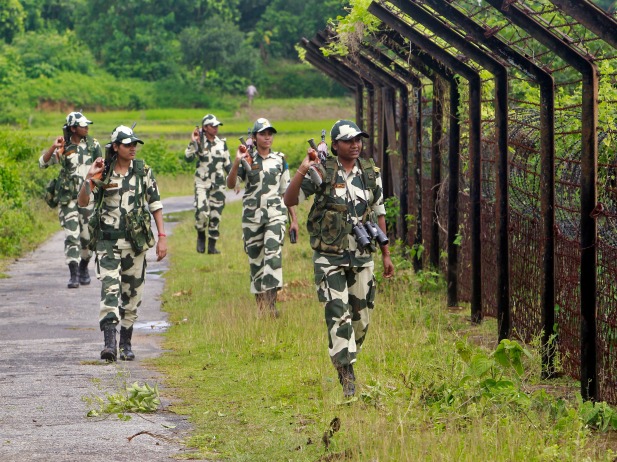
- Bangladesh faced a nationwide opposition shutdown and renewed political violence. The Awami League called the action after the government rejected former Prime Minister Sheikh Hasina’s request for identity documents connected to a planned December return. Police reported two ruling-party members killed, while the ancestral home of former interim leader Muhammad Yunus was set on fire; relatives inside escaped safely. Border Guard units were deployed in several districts. ReutersFeed
Why it matters: The unrest could destabilize the political transition, disrupt transport and export manufacturing, and deepen confrontation before Hasina’s proposed return. - The International Court of Justice is expected to issue a major ruling today in the Rohingya genocide case involving Myanmar. Reuters
Why it matters: The decision could affect accountability for atrocities against the Rohingya and add diplomatic pressure concerning the large refugee population still sheltering in Bangladesh. - Elsewhere in South Asia, no comparably consequential, independently verified overnight development warranted displacing the two regional stories above.
3. Maritime news
- The LPG tanker Gas Husky sank off Bulgaria after being struck by projectiles. The Liberian-flagged vessel was carrying roughly 3,400 metric tons of LPG from Egypt to Romania. All 19 crew members—identified by Philippine authorities as Filipinos—were rescued; two sustained minor injuries. Initial reporting indicated no detected pollution. Internazionale
Why it matters: An LPG-tanker casualty could have produced a far larger human and environmental disaster. It also intensifies concerns over commercial navigation near the Black Sea conflict zone. - The attack forms part of a worsening regional pattern, although responsibility remains unconfirmed. Reuters counted at least 17 vessels attacked near Bulgaria and Romania since mid-July, with more than 20 seafarers missing or feared dead. Regional governments have avoided definitive attribution, while Russia denies responsibility. Internazionale
Why it matters: Repeated attacks can raise war-risk insurance costs, deter crews and owners, and complicate grain, fuel and bulk-cargo movements through the western Black Sea. - Hormuz security entered top-level diplomacy at APEC. Trump and Xi publicly identified uninterrupted oil movement through the strait as a shared interest. apnews.com
Why it matters: Even limited U.S.–China coordination could help contain escalation around the world’s most important oil chokepoint, although no operational agreement was announced.
4. United States
- The Trump administration asked the Supreme Court to block restored protections for Venezuelan migrants. A lower court found the termination of Temporary Protected Status unlawful. The administration says that, without Supreme Court intervention before Friday, it may have to release about 1,800 Venezuelans from detention and restore work authorization to affected migrants. apnews.com
Why it matters: The emergency case could shape executive authority over TPS and determine the immediate legal status of hundreds of thousands of Venezuelans. - Republican Nick Begich retained Alaska’s sole House seat after ranked-choice tabulation. The result was a comparatively rare Republican success in a midterm cycle in which Democrats regained both chambers of Congress. Democrat Mary Peltola separately flipped an Alaska Senate seat. apnews.com
Why it matters: The result preserves a pro-drilling Republican voice in the House but does not alter the broader shift in congressional control. - Federal Reserve minutes pointed toward another rate increase. Nearly all officials expected further tightening if the economy develops as projected; several worried inflation could remain persistent, and two discussed the possibility of a half-point December increase. The Washington Post
Why it matters: Higher borrowing costs would affect mortgages, corporate financing and federal debt service, while increasing the risk of a sharper economic slowdown.