
Bangladesh’s political landscape underwent a significant transformation recently, with the Bangladesh Nationalist Party’s landslide victory at the polls, securing a two-thirds supermajority in Parliament. This victory has breathed new hope for stability but also opened many question marks on issues such as energy shortages, economic fragility, extremism, minority rights, and its relationship with India going forward. Bangladesh–India ties are poised for change, with both continuity and recalibration driven by internal developments in Bangladesh and external geopolitical factors.
Bangladesh’s tilt marks not just a regime change but rather a systemic shift towards nationalism, multi-alignment, and realism in its foreign policy outlook.
Economic Pressures and Energy Vulnerability
BNP assumes office and finds macroeconomic fundamentals vulnerable due to exogenous shocks, such as instability in West Asia. Bangladesh continues to rely heavily on imported energy supplies from Gulf countries (about 95 percent), making it highly sensitive to potential turbulence in the Middle East. Fuel shortages/rationing, and cueing at petrol pumps are already testing consumers’ patience and harming productivity/business sentiment.
Bangladesh’s annual remittance inflows from GCC countries are close to half of total receipts. Thus, prolonged uncertainty over migrant worker employment and energy prices/scarcity would hurt Bangladesh’s current account and consumer spending power. While the decision to keep fuel prices unchanged is prudent politics, it also signals limited policy maneuvering space…
Good economic management can turn political stability into reputational stability.
Revival of Parliamentary Politics and Generational Change
Perhaps one of the most positive things to emerge since polling day has been the return of parliamentary debate and institutional participation. Commentators have highlighted parliamentarians asking questions again, discussing governance reforms, including the draft July Charter, and younger voters participating again by utilizing social media.
Political norms are now evolving to include aspects of both old and new politics. Patronage-based politics still exists, and a new brand of youth activism is emerging that could reshape policy conversations in Bangladesh over the next 10 years. These conversations will likely focus on governance accountability, market reforms, and foreign policy.
There is still work to be done before the state feels fully consolidated. Should economic distress continue, many Bangladeshis will lose patience with reform.
Resetting Relations with India
Relations between India and Bangladesh soured somewhat under the previous caretaker government, with criticism of India becoming more vocal. While it remains to be seen how the BNP will handle ties with India, it has pledged to maintain equidistance with all countries while mending fences with New Delhi. It also stated that it would not tilt towards any country and wanted to maintain good relations with India, China, and Pakistan. India recently agreed to provide fuel to Bangladesh, subject to Bangladesh meeting its demand first, underscoring that India–Bangladesh relations are unlikely to normalize until structural issues are resolved.
Border Management and Political Sensitivities
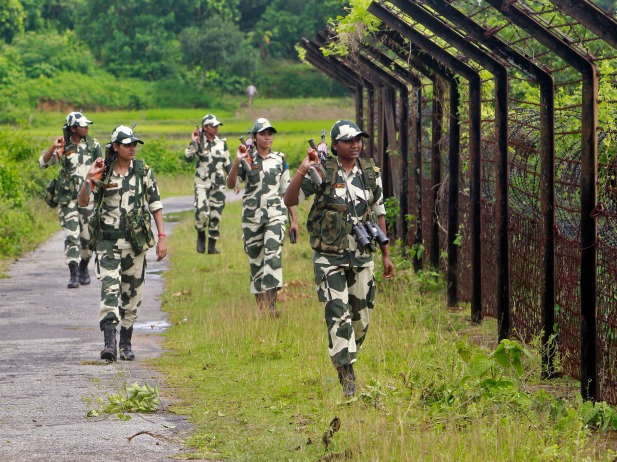
In Bangladesh, too, issues like border killings, anti-migration propaganda, and India’s domestic rhetorical spaces surrounding the neighboring country continue to influence minds negatively.
The bilateral relationship will remain fragile until both sides take the initiative to reassure each other on matters of dignity and security. Regular dialogue will not cut it. Unless both governments allow confidence-building measures to take effect and stop vilifying each other through propaganda or skewed media reports that whip up suspicion among the people on both sides.
Issues of perception must be handled with as much care as policy issues if the partnership is to achieve long-term success.
Water Sharing as a Strategic Imperative
River water sharing is one of the biggest unfinished agendas between the two neighbors. Talks are due soon on renegotiating the Ganga Water Sharing Treaty, while the Teesta deal remains hostage to India’s federal politics with the West Bengal state government.
Minimum water flow is critical for Bangladesh beyond irrigation requirements: their climate resilience and food security are at stake as well. Melting patterns of Himalayan glaciers and increasingly uncertain rainfall cycles add further urgency to discussions, making water security a question of longer-term regional survival.
Basin-wide cooperation is needed in future negotiations, informed by climate data and modeling.
West Bengal’s Cultural and Political Influence
Bangladesh and West Bengal share a special relationship that goes beyond usual bilateral ties because of common ethnicity, language, culture, and families on both sides of the border. Dhaka is the place where Indians vote these days!
Trade linkages, transit agreements, ease of travel and mobility, energy cooperation, river water negotiations, and medical tourism are some areas where Bangladesh and West Bengal have benefited from increased interaction in the past. Visible progress on many of these initiatives could be a marker of an improved relationship with Dhaka that this government can tout.
Issues like water-sharing talks and border controls are tied to political compulsions at the state level, which at times make things difficult for the Center.
Islamist Politics and Security Concerns
One of the fears being expressed is the revival of Islamist parties. Jamaat-e-Islami, it is reported, has won a significant number of seats in Parliament and remains organizationally strong at the grassroots level.
Presence in Parliament does not mean they espouse ideological hegemony, but the greater influence of extremists can’t be ruled out for the region either. So far, BNP leaders have spoken responsibly and have not fallen into the trap of using rhetoric that might further fuel radical thought.
The conspiracy theories about foreign intelligence agencies instigating Bangladesh politics may or may not be true. One thing that has been observed is that extremist groups in South Asia are rallying themselves online more than having a physical connection these days.
Need a comprehensive policy that focuses on online terrorism as well.
Minority Protection and Cross-Border Narratives
Claims of rising attacks against minorities after the regime change have also caught regional attention and run the risk of harming bilateral confidence-building measures. Security of minorities has been one issue that the past and present Bangladesh governments have struggled with. It has also found resonance with India’s internal audience debating bilateral ties.
Simultaneously, Bangladesh is no stranger to hate speech coming from the Indian media about B’deshi migrants breeding negative feelings on the other side. False propaganda is rampant on social media channels, only adding to the complexity of bilateral discussions.
Any healthy dialogue between governments can surely accommodate outreach efforts to address the security concerns of minorities.
Regional Institutions in Transition
Regional forums, including SAARC, which is in abeyance & BIMSTEC, whose potential is yet to be fully tapped, haven’t made much headway beyond periodic meetings. Meaningful progress would have been possible had Bangladesh and India ensured better bilateral coordination.
Nonetheless, BIMSTEC serves as an important forum for Bangladesh, positioning it as a conduit between South Asia & Southeast Asia via the Bay of Bengal. Reviving BIMSTEC could open avenues for regional connectivity, coastal security, maritime cooperation, and energy grid integration.
Bangladesh does not want to join any military alliance but wants to deepen relations through such a platform.
Climate Change and Water Security in South Asia’s Future
Climate change could pose the biggest challenge to India–Bangladesh ties in the coming decades. Retreating Himalayan glaciers, changing monsoon cycles, and increasing sea levels could affect farmers and coastal communities throughout the region.
Effective management of shared river basins will be key to maintaining peace and security in South Asia. In fact, water diplomacy may become the ultimate measure of SAARC’s success in twenty-first-century governance.
Towards that end, Dhaka-New Delhi ties will need to shift from deal-making to sustainable partnerships.
Conclusion
BNP’s triumph will usher in a new era in Bangladesh’s internal politics and external relations. Economic compulsions and energy insecurity may dominate the initial phase of its rule. Still, policy pragmatism in its diplomatic dealings could provide an opportunity to reset ties with India and enhance cooperation on regional architecture.
Issues such as water sharing, border management, minority treatment, and insurgencies will continue to influence bilateral ties. Moving beyond lip service, institutionalized cooperation on equal footing, acknowledging mutual interests and responsibilities, will determine the future course of India–Bangladesh ties.
Handled pragmatically, it can evolve into an example of bilateral cooperation between neighbors otherwise known for periodic bouts of hostility in South Asia.