
The Pahalgam incident has started another cycle of accusations which leads to rising tensions between countries because of their attempts to send strategic messages. The security incident developed into a political situation which raised questions about how domestic politics and media coverage affected regional stability.
The political competition between various nations has become the main framework through which people understand the various crises that have emerged in Jammu and Kashmir during the past few years. The Pahalgam episode appears to follow a similar trajectory. Within hours of the incident, major segments of Indian media framed the narrative around cross-border involvement, often before the emergence of independently verified evidence. The area has developed a new pattern of broadcasting during emergencies because the public mood changes suddenly, which creates pressure.
The timing of the incident inevitably fueled speculation about political motivations. The government uses election times to show its strength through increased nationalistic and security-based communication. The security situation creates challenges because domestic political discussions will transform security situations into basic external threat stories. The current situation creates a situation where people who want restraint face opposition from those who demand strong responses.
Pakistan demanded that both parties conduct transparent investigations into their shared investigation needs. Islamabad repeated its complete rejection of all terrorist activities while offering its assistance to determine the facts about the attack. The region continues to experience crisis diplomacy which struggles to achieve progress because of existing mutual distrust between nations. The United Nations maintains its crucial position for international operations which promote dialogue and restraint while the World Bank remains relevant because of its past involvement in creating regional treaties that govern shared resources.
The Indian Cabinet Committee on Security met multiple times under Prime Minister Narendra Modi to evaluate the developing situation and decide on potential solutions. New Delhi uses these security meetings as standard practice during crises because they demonstrate its strong concern for security issues in Kashmir. Officials used public statements to create a situation that needed accountability and deterrence which increased security tensions.
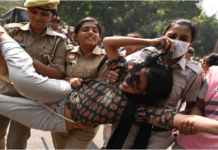
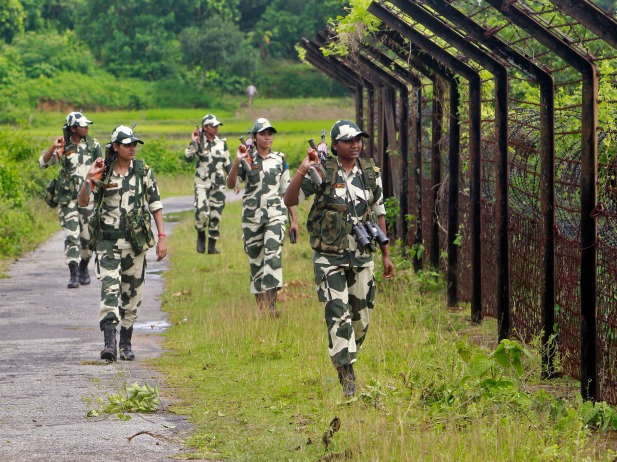
The situation developed further because events that occurred on the ground created new developments. The two incidents, which included civilian deaths in Uri Nala and the enforcement of security measures, which restricted access to Srinagar especially its Lal Chowk area, established a community perception that the area faced security threats. The region has experienced security lockdowns and troop deployments together with communication restrictions since these measures go back to earlier times when unrest developed, which created both humanitarian and political impacts together with security challenges.
The people used information warfare to achieve their objectives. The Resistance Front group denied its involvement, but Twitter social media platforms served as battlegrounds for multiple competing storylines. The digital age enables emergencies to manifest at both physical locations and virtual spaces, which allows unverified stories to spread quicker than established facts. This situation creates two problems because it increases social division while making it harder for governments to resolve diplomatic conflicts.
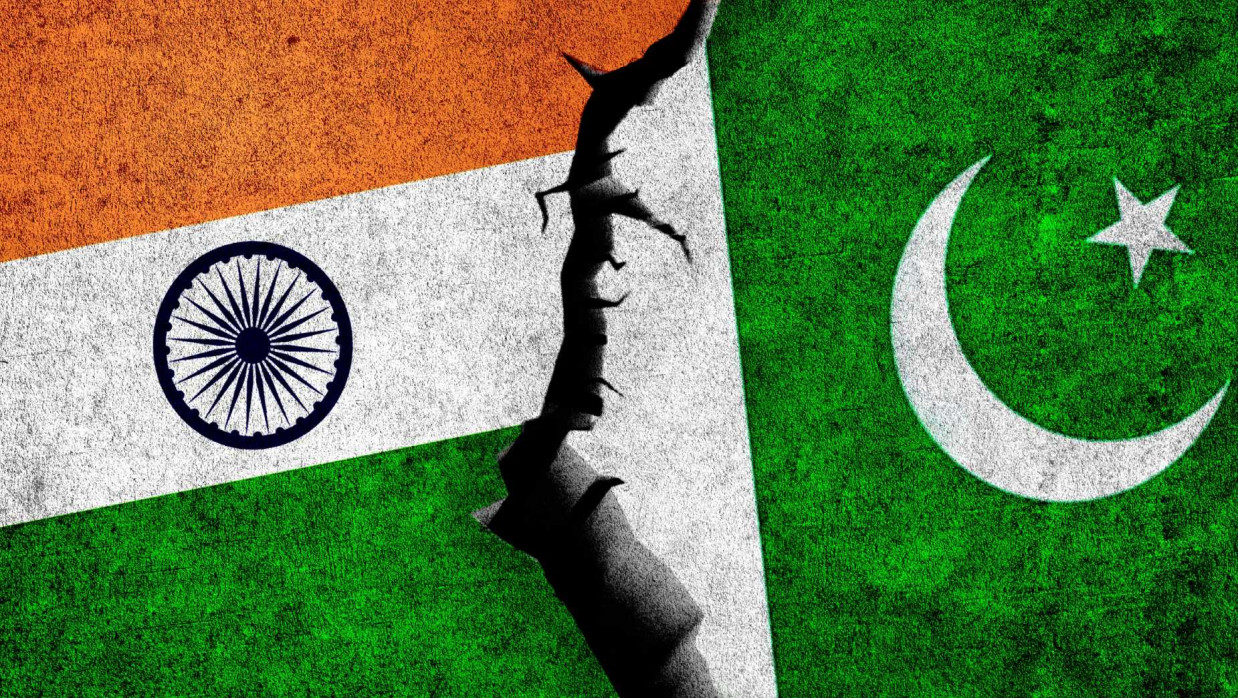
The crisis has another dimension which arises from the ongoing conflicts over borderlines and shared resources between nations. The Indian Air Force and Pakistan Air Force increased their operational readiness because Line of Control tensions showed that their ceasefire situation remained unstable between the two countries. The historical pattern of border skirmishes and airspace alerts demonstrates their ability to rapidly escalate conflicts which highlights the need for both nuclear-armed countries to establish effective crisis management systems and maintain communication links.
The political institutions in Pakistan aimed to create a united front. The Senate of Pakistan passed a unanimous resolution which condemned aggression while reaffirming the country’s dedication to national defense and regional peace. The military exercises and readiness drills served as defensive measures which aimed to prevent escalation but not to start a confrontation.
All elements of environmental climate patterns must receive equal importance. The existing security situation in South Asia continues to experience the effects of ongoing territorial conflicts between nations which create a climate of distrust and lead to diplomatic challenges during which conflicts escalate. The Pahalgam incident demonstrates how quickly conflicts escalate when different groups maintain their own stories and people start to distrust one another. The situation demonstrates that trust-building activities need to start with trust assessments and they must continue through ongoing diplomatic work.
Both parties must select dialogue as their preferred method for conflict resolution to determine their future relationship. The historical pattern of blame and counter-blame between opponents has resulted in minimal security advantages while it has raised both humanitarian and economic burdens. An open investigation that operates according to international standards and diplomatic frameworks would help to decrease tensions while building trust between the two parties.
The Pahalgam episode demonstrates that South Asian nations need to control crises through dedicated crisis management efforts and responsible public communication channels. The region requires diplomatic solutions because its internal political conflicts and media storytelling and security operations are so closely connected that they need restraint in their activities.