
The BNP leadership is expected to take a more cautious approach to restructuring its two Dhaka city units to strengthen the party’s presence in the capital, enforce organisational discipline, and bring in leaders with clean images.
Party leaders said Dhaka is now an organisational priority, with the north and south units central to political programmes and responsible for coordinating ward-and thana-level activities ahead of city corporation elections.
The leadership is not only looking for leaders who are free from controversies, organisational experience, public acceptance, and links with grassroots activists are also expected to play an important role in selecting the new leaders.
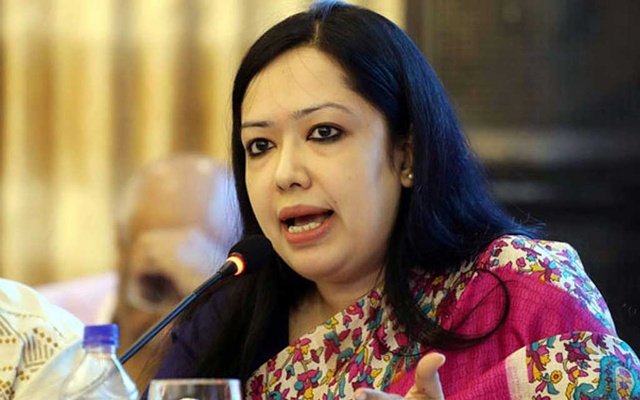
The issue came into focus after BNP reserved-seat lawmaker Ferdousy Ahmed resigned from parliament on Thursday on Prime Minister Tarique Rahman’s instruction over her alleged links to the attack on Radda MCH-FP Centre in Mirpur-1.
A day earlier, the ruling party dissolved its 51-member Dhaka Metropolitan North convening committee, along with the Dhaka Metropolitan North Jubo Dal and Dhaka Metropolitan West Chhatra Dal committees. Fourteen leaders were also expelled over disciplinary and organisational violations.
Party sources said these developments have made the leadership more careful about who should be given important organisational responsibilities.
“The BNP sees no alternative to leaders with clean images as it seeks to restore its organisational tradition, strengthen capital-centric politics, prepare for upcoming local government polls and maintain political stability,” said a senior party leader.
Seeking anonymity, a member of the BNP Standing Committee said if the two Dhaka city units become organisationally strong and perform effectively, it will also have a positive impact on the grassroots.
The immediate focus is on the Dhaka Metropolitan North unit, where a new committee would be announced soon.
According to party sources, several leaders are being considered for the new leadership based on their roles during the BNP’s years in opposition, organisational performance, and public acceptance.
Those who remained active during difficult periods for the party and avoided major controversies may get priority for senior posts.
However, party leaders said a good public image alone would not be enough to be selected. The new leadership will also need to maintain working relationships with ward-, thana-, and unit-level activists and have the ability to mobilise the organisation when necessary.
For this, the party is considering a mix of experienced organisers and relatively younger figures, including former student and youth leaders.
Changes are also being discussed regarding the Dhaka Metropolitan South unit committee.
BNP leaders said the north and south units may not follow the same leadership model due to different political, social and organisational realities, but the broad criteria will remain similar: maintaining discipline, working with grassroots activists, and keeping the organisation active.
The coming local government polls have added urgency to the process.
The two units will eventually have to coordinate party activities around possible mayoral and councillor candidates. Party leaders said popular candidates alone would not be enough to win the elections if ward and thana-level organisations are weak or divided.
The central leadership has already stressed the need for reducing internal disputes before the polls. In July, BNP Chairman Tarique Rahman asked party leaders to work towards reaching an agreement on a single candidate in each area.
The Election Commission is yet to announce the final schedule for the local government elections, but officials have indicated that voting could begin in January.
Meanwhile, political analysts said the BNP’s tougher approach towards leaders facing serious allegations makes it important to keep grassroots activists engaged after the new committees are formed.
Prof Mohammad Mojibur Rahman of Dhaka University’s Institute of Education and Research told this correspondent that while restoring discipline, action should not be taken in a way that makes leaders and activists who have worked in the field for a long time feel deprived or move away from the party.
“Local government elections are ahead. If dissatisfaction among long-time dedicated leaders and activists increases, or if they become inactive, it could also affect the election,” he said.
Al Masud Hasanuzzaman, former professor at Jahangirnagar University, said committees restructuring could create opportunities for dedicated and qualified leaders to come forward, but the process should avoid creating unnecessary frustration among grassroots activists.
Source: https://www.thedailystar.net/news/politics/news/bnp-now-eyes-cautious-overhaul-dhaka-units-4288976