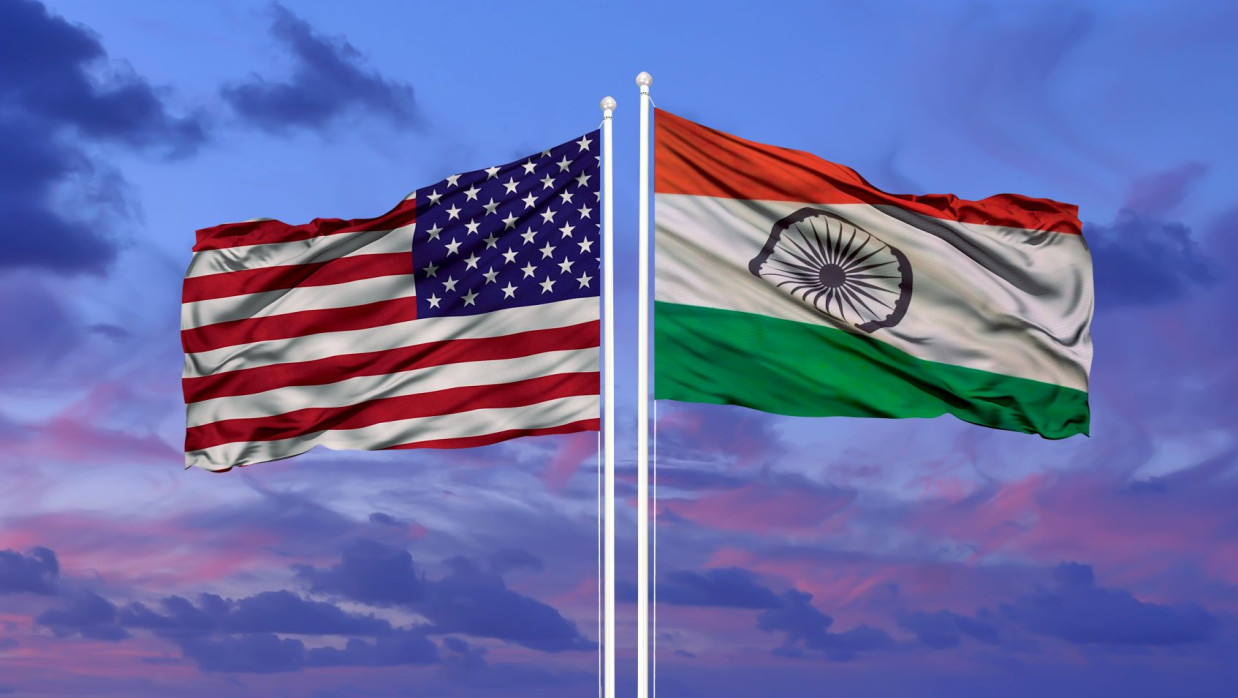
India-U.S. ties are now dominated by defense-strategic partnerships as well as trade, an independent judiciary capable of catching big fish, and great power competition all themes relevant to this week’s actions against billionaire Gautam Adani and confusing signals from both the White House and Indian government.… Trade competition also may be on its way as well: Senator Durbin (D-Ill.) this week unveiled legislation that would punish countries that continue to buy Russian oil.
India’s Gautam Adani is fighting a U.S. DOJ bribery case. While he was testifying before a U.S. federal court this week, he swore under oath that his lawyers floated the idea of making good on his reported pledge to invest $10 billion in the United States as part of a potential settlement of the DOJ’s bribery case against him. “My lawyers floated the idea… I am not aware of any agreement, promise, or understanding between my lawyers and the United States,” Adani’s sworn statement read.
The acknowledgment came after Judge Nicholas Garaufis of the federal court in Brooklyn questioned prosecutors about whether any promises or requests were made to end the prosecution as part of the Trump administration’s order. Judge Garaufis questioned whether Adani’s investment pledges were tied to the end of the prosecution. American courts have been clear that justice cannot be traded for political or business favors. While both Adani and the DOJ have denied that pledges influenced government decisions, they continue to face questions from the court. Indian businessman Gautam Adani is charged with conspiring with others to bribe Indian officials to win contracts for solar power projects and then allegedly defrauding American investors by hiding those dealings from them. The Trump administration has sought to dismiss the case, but the court must approve that motion.
India’s reaction has also been interesting to watch. Initial reactions from parts of India’s government openly came to Adani’s defense while criticizing aspects of the U.S. legal process. Recent statements from India’s MEA, however, have been much tamer. Suggestions of revoked passports and general statements that make it seem like this is just outside interference in India’s internal matters have been noticeably absent. New Delhi seems to understand that this trial is happening and that further ratcheting up tensions would not be in India’s interest.
Second, another incident highlighted gaps in security around critical Indian infrastructure. An extortion case being made public this week highlighted the theft of thousands of documents apparently related to the Kudankulam Nuclear Power Plant. The veracity of the documents and the severity of what they reveal is being sorted out, but this latest incident reminds us all that cybersecurity is national security.
Lastly, these stories come amid much discussion of India developing a more personalized approach to foreign policy. Instead of quiet dinners and closed-door meetings, India’s approach has been marked by photo ops, high-profile bilateral visits and public displays of bonhomie. Public meetings and massive rallies centered around political personalities might make for good politics. But it cannot replace trust in institutions. Solid relationships are built on the foundation of transparency, accountability, regulatory certainty, and strong institutions, not big shows.
This is just the latest in Adani’s series of setbacks and scandals. However, India also faces external pressures from other geopolitical factors beyond the fallout from the Adani debacle. The U.S. Senate has recently introduced legislation that would place sanctions on countries that import large volumes of Russian oil. While the bill is unlikely to pass in its current form, it reflects a bipartisan desire in Washington to crack down on the financing of Russian energy profits. As one of the top buyers of Russian oil at discounted prices since the onset of the war in Ukraine, India may be forced to choose between its energy needs and its relationship with Washington.
India will have to balance competing priorities if it wants to maintain its strategic autonomy, foster trade with the U.S., deepen defense ties with Russia, and assert itself in the Indo-Pacific region. New Delhi will have to delicately balance its relationships with Washington and Moscow if it wants to achieve its foreign policy goals. The solution lies in building institutions that are viewed as credible both at home and abroad.
It also shows that business diplomacy can neither bulldoze independent courts nor be weaponized for political posturing in today’s hyper-globalized world. India’s reputation abroad will be determined not by any single big-ticket investment or overwhelming pomp and show, but by the strength of its institutions, corporate governance, cybersecurity practices, and rule of law.