Morning News Brief — Monday, October 19, 2026
1. World developments
- Russia again targets Ukraine’s power system. Overnight Russian missile-and-drone strikes damaged more than 10 energy sites, caused widespread blackouts affecting over 500,000 people and killed a woman in Kyiv, Ukrainian officials said. President Volodymyr Zelenskyy said partners did not provide the advance warning Kyiv had previously received; Washington maintains that intelligence support continues. apnews.com
Why it matters: Renewed attacks on electricity infrastructure ahead of winter expose Ukraine’s air-defense shortages and deepen concern about weakening Western support. - Iran offers conditional reopening of the Strait of Hormuz. Tehran says it could reopen the strait within seven days if Washington accepts conditions that include lifting the blockade of Iranian ports, easing oil sanctions and addressing regional hostilities. Talks remain stalled because the United States wants Iran’s nuclear program included. reuters.com
Why it matters: Hormuz normally carries roughly one-fifth of global oil and LNG trade; even limited progress could sharply affect energy, freight and insurance prices. - China’s economy grew faster than forecast—but exports did much of the work. Official data showed third-quarter GDP expanding 4.5% from a year earlier, versus 4.3% in the second quarter and a 4.4% consensus forecast. Strong technology exports offset weak household demand, underscoring an increasingly unbalanced recovery. reuters.com
Why it matters: The result reduces immediate pressure for large-scale stimulus, but reliance on external demand leaves China vulnerable to trade restrictions and weaker global growth. - Washington’s Russia-policy shift draws allied and congressional resistance. President Trump has temporarily waived major sanctions and tariffs connected to Russian exports while conducting a review lasting up to 60 days. The administration also negotiated additional Russian diesel exports; Ukraine and some U.S. lawmakers argue the measures reward Moscow. reuters.com
Why it matters: The policy could lower near-term fuel prices, but it weakens economic pressure on Russia just as Moscow intensifies attacks on Ukraine.
2. South Asia
- At least 19 people were killed in a Kolkata festival stampede. Authorities said sudden rain triggered panic near a crowded Durga Puja pavilion, leaving another 25 people injured. Organizers and security personnel were detained for questioning, and a special investigation will examine crowd-control failures. apnews.com
Why it matters: The disaster renews scrutiny of crowd limits, emergency exits and organizer accountability at India’s enormous religious gatherings. - India’s rupee extends its policy-assisted rebound. The currency traded around ₹94.82 per dollar Monday after gaining 2% last week. Central-bank measures—including a dedicated dollar window for oil refiners—have helped, while Monday’s retreat in crude provided additional support. reuters.com
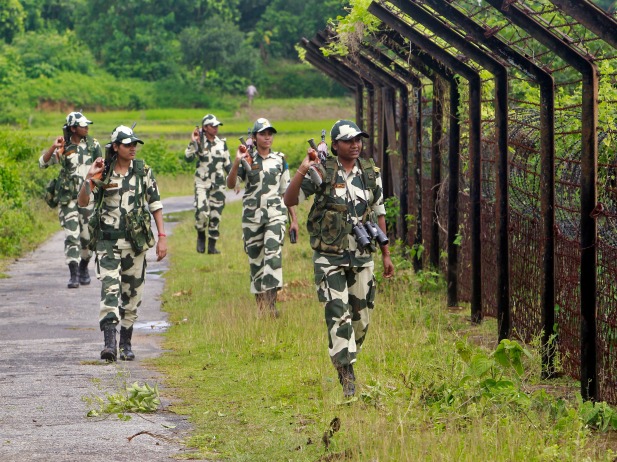
Why it matters: India imports most of its oil; a weaker currency magnifies the domestic inflation and balance-of-payments effects of elevated energy prices. - Pakistan–Afghanistan border tensions remain elevated. Pakistani forces and Afghan Taliban personnel exchanged artillery fire in Kurram after Islamabad said militants attempted to cross the border. Kabul had not confirmed Pakistan’s account, and casualty claims remain unverified. apnews.com
Why it matters: Repeated clashes risk turning Pakistan’s fight with the Pakistani Taliban into a broader interstate confrontation and worsening civilian displacement.
3. Major maritime news
- Two tanker mine incidents raise the threat level in Hormuz. Iran’s Revolutionary Guard says two oil tankers caught fire after striking mines during unauthorized transits. The vessels’ identities and Iran’s account have not been independently confirmed. Recent attacks have also sunk a containership and bulk carrier near the strait. ws15.marinelink.com
Why it matters: Naval mines create a persistent hazard that is harder to mitigate than isolated projectile attacks and could slow even escorted commercial convoys. - Shipping costs are transmitting the crisis well beyond oil markets. Reuters calculated that one recent U.S.–Japan supertanker voyage cost about $81 million—roughly nine times the year-earlier level—with freight adding about $40.50 per barrel. Rerouting, war-risk insurance and scarce tanker capacity are pushing costs into fuel and consumer goods. reuters.com
Why it matters: Freight inflation hits import-dependent economies—particularly India and Southeast Asia—even when benchmark crude prices decline. - Sanctions evasion is growing more sophisticated. Lloyd’s List reports that a North Korean bulker generated convincing fictitious voyages to Malaysia while apparently carrying sanctioned coal to China; one phantom port call reportedly entered Malaysia’s official reporting system. lloydslist.com
Why it matters: Manipulated vessel-location data can undermine port security, sanctions compliance and insurers’ ability to determine where ships and cargoes have actually been.