Published :
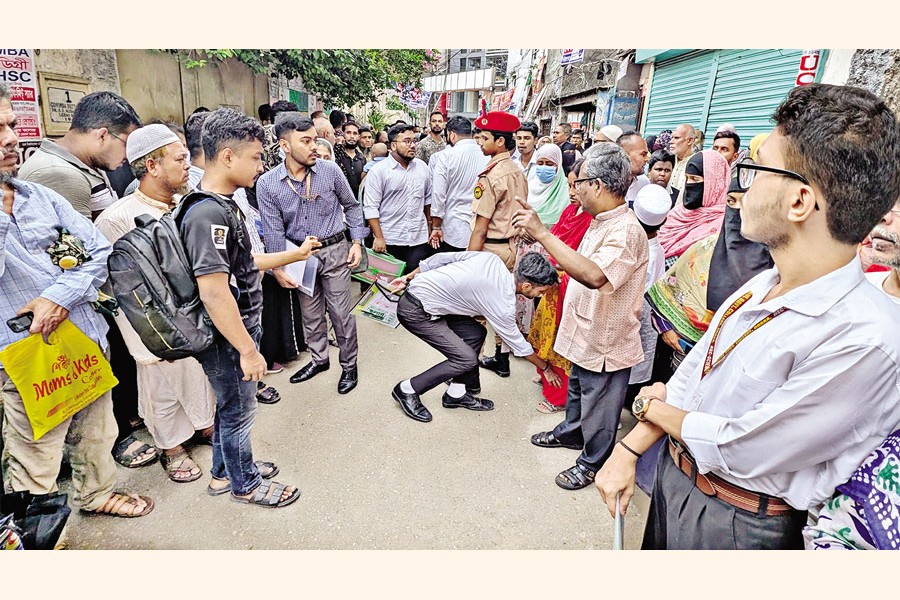
One probable driver for this atmosphere is how the examinations themselves are being conducted. Full syllabus testing is now mandatory, invigilation has tightened considerably and closed-circuit cameras have been installed at every examination centre, together creating a level of scrutiny students have not faced in years. That scrutiny follows a decade in which pass rates were inflated and pandemic-era concessions became routine under the previous Awami League administration, leaving results that flattered performance more than they measured it. Students who came through that system are now confronting genuine evaluation for the first time, and many appear to be opting out rather than risk failure under standards they were never prepared for. Institutional self-preservation has exacerbated this crisis, with colleges aggressively disqualifying underprepared students during pre-test screening procedures simply to protect their institutional passing averages.
Poverty, too, is an undeniable factor, as persistent inflation has pushed coaching fees, transport costs and other school-related expenses beyond the reach of many families. Reliance on private coaching is a necessity nowadays as classroom instruction alone is widely considered insufficient to prepare students for the examinations. For many boys, especially in households dependent on a single income or without a father, the pressure to earn begins soon after completing secondary school. For many girls, the interruption comes in the form of early marriage. An earlier Dhaka board analysis found that 41 per cent of absent Secondary School Certificate candidates had already been married, making child marriage one of the leading causes of absenteeism among girls. Against such realities, continuing towards Higher Secondary Certificate can come to be seen as a goal not worth pursuing, especially when even university graduates face a bleak job market.
None of these factors diminishes the seriousness of the problem. If anything, they clarify where the responsibility falls. The government’s crackdown on malpractice is a reasonable first step, though it addresses only part of the problem. Reducing absenteeism will require a broader response that strengthens classroom teaching, curbs the dependence on private coaching, enforces laws against child marriage more effectively and provides greater support to students from financially vulnerable families. Above all, the education system must offer a credible pathway to employment and upward mobility. As long as large numbers of young people see little value in completing higher secondary education, hundreds of thousands will surely continue to disappear from the examination process.
Source: https://thefinancialexpress.com.bd/editorial/reconstituting-acc