By Ghulam Suhrawardi

A preventable disaster at Ferdous Steel
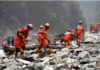
The deaths of nine ship-recycling workers at Ferdous Steel Ship Recycling Industries in Sitakunda on Aug. 14, 2026, are more than an avoidable industrial tragedy. Reports state that the workers were cutting up the former LNG carrier MT Rasi when they entered or were near an enclosed space on the ship and were overcome by toxic gas. One of those who died was reportedly a 17-year-old worker. Several others were injured. Later inspections found hydrogen sulfide, and methane, carbon dioxide, and ammonia were reportedly present in other compartments.
The tragedy is all the more disturbing because Ferdous Steel had been certified as compliant with the Hong Kong International Convention for the Safe and Environmentally Sound Recycling of Ships. The yard reportedly had a Statement of Compliance issued by the Indian Register of Shipping (IRClass) and separate ISO management- system certificates from Bureau Veritas. It had also received formal authorization from the Bangladesh Ship Recycling Board.
Yet certification did not prevent nine deaths.
The tragedy therefore prompts an obvious question: Does certification in Bangladesh reflect a safety system that really works? Or has it too often become merely a stack of papers, audits, and government sign-offs detached from workers’ everyday reality?
According to the NGO Shipbreaking Platform, the Department of Inspection for Factories and Establishments had taken legal action against Ferdous Steel only one month before the accident because of repeated occupational-safety failures. If confirmed by the official investigation, this would suggest that regulatory authorities already had reason to doubt the yard’s safety performance. Nevertheless, dismantling continued until the fatal incident occurred.
What the Hong Kong Convention Requires
The Hong Kong Convention came into force on June 26, 2025. It aims to create the world’s first mandatory global regime to ensure ships, when reaching the end of their operational lives, are recycled in a way that does not pose unnecessary risks to human health, safety, and the environment.
The Convention requires ships destined for recycling to carry an Inventory of Hazardous Materials identifying dangerous substances, their approximate quantities and their locations. An authorized yard must maintain a Ship Recycling Facility Plan covering worker training, emergency preparedness, health and environmental protection, monitoring and record-keeping. It must also prepare a ship-specific recycling plan explaining how each vessel will be dismantled safely.
Above all, governments should verify that recycling facilities in their territory meet these standards. Certification is just one part of the solution. Ongoing enforcement and oversight are also required. Under the Convention, shipowners, flag states, port states, recycling states and recycling facilities all share responsibility. No one can use the certificate as an excuse for complacency. A yard that passes an audit could be dangerous the next day if it fails to follow proper procedures, if equipment is faulty, if workers are not properly trained, or if managers value production over safety.
Failure to Control an Enclosed Space
The circumstances aboard the Rasi point to one of the best-known hazards in maritime and industrial work: entering an enclosed space with a dangerous atmosphere.
Hydrogen sulfide can build up in places where contaminated water or organic matter has sat idle for a period of time. Hydrogen sulfide is extremely toxic and can knock you down quickly. At high concentrations, you could pass out before you know it. Don’t trust your sense of smell. You can get used to the smell of rotten eggs.
A written enclosed-space procedure should consist of isolation of the compartment, purge of liquids and residuals, forced ventilation, atmospheric testing from outside the compartment, multiple level and location testing inside the compartment, written permit to enter, proper respirators when necessary, attendant outside the compartment, communications, and a qualified rescue team with proper equipment standing by. Never allow anyone in because the last guy did the test and said it was okay.
The Rasi incident is especially disturbing because reports indicate liquid waste was discovered before safety personnel and workers approached the affected area. Such a discovery should have been treated as an immediate warning that the atmosphere might be oxygen-deficient, flammable, or toxic. Work should have stopped until the contents were identified, removed, and the compartment thoroughly tested.
The International Labor Organization has long described shipbreaking as hazardous work involving fires, explosions, falls, collapsing steel structures, and exposure to asbestos, toxic chemicals, and dangerous gases. Its shipbreaking guidelines emphasize systematic hazard assessment, competent supervision, training and emergency planning. ILO shipbreaking guidelines
The Difference Between Certification and Safety
IRClass reportedly issued the principal Hong Kong Convention compliance certificate for Ferdous Steel. However, that certification concerned the yard’s general systems and facilities. It did not necessarily certify that the particular compartment aboard the Rasi was gas-free immediately before the fatal operation.
Other organizations reportedly performed vessel-related functions. Metizsoft Asia prepared the Inventory of Hazardous Materials, while Ship Strip, a Bangladeshi private safety agency, participated in the pre-recycling inspection and prepared the structural dismantling plan. Government bodies also participated in the inspection and clearance.
º The investigation must therefore distinguish among several layers of responsibility:
º Was the yard’s general Hong Kong Convention audit sufficiently rigorous?
º Was the vessel’s hazardous-material inventory accurate and complete?
º Did the ship-specific recycling plan identify enclosed-space and residual-gas hazards?
º Who tested the atmosphere before the workers entered?
º Was the testing equipment calibrated, and did workers test multiple locations?
º Who signed the entry or work permit?
º Did managers disregard warnings to continue production?
º Were trained rescue personnel and breathing apparatus available?
A certificate can demonstrate that procedures exist, but it cannot prove that they are followed during every cutting operation. Safety must be verified continuously on site. When certification bodies and government authorities rely heavily on records supplied by the yard, announce inspections in advance, or fail to interview workers confidentially, an apparently compliant facility may conceal serious weaknesses.
Why Bangladesh Continues to Fall Short
Bangladesh has taken significant steps to develop safe and modern ship-recycling facilities. Yards have purchased leak-proof floors, cranes, wastewater systems, hazardous waste storage units, training schools, and worker protective gear. Bangladesh ratified the Hong Kong Convention, helping it enter into force worldwide. The IMO continues to assist Bangladesh via the Safe and Environmentally Sound Ship Recycling in Bangladesh project.
However, systemic issues still plague the facilities.
First, enforcement remains fragmented. The Bangladesh Ship Recycling Board, the Department of Environment, the Department of Inspection for Factories and Establishments, the Department of Explosives, the Fire Service, and local administration may all exercise some authority. When responsibility is divided, each organization may assume that another has verified the most critical safety requirement.
Second, inspections can be predictable and focused on paperwork. A yard might “dress for inspection” for an announced visit while day-to-day practices are another matter entirely. Surprise inspections are required to ensure that workers are actually provided respirators and other equipment, that atmospheric testing is done, and that unsafe work is truly halted.
Third, many workers are poor, transient, or employed through labor contractors. They have little power to negotiate. A worker might not complain about an unsafe assignment for fear of being terminated. The reported fact that one of the victims was only 17 years old is especially troubling regarding the issues of age verification and the employment of youths in hazardous work.
Fourth, accountability after the fact has been weak. Investigative boards might be convened. Promises of compensation and temporary closures of offending yards may occur, but we don’t always see the complete report. Rarely is criminal or administrative culpability pursued to our satisfaction, and the same situations can recur.
Fifth, economic pressures can be intense. Vessels may be acquired for their scrap steel value and any saleable equipment. Delays cost money in financing costs and lost operating revenue. Without solid legal backing for the Safety Officer’s power to halt production, the production schedule can override common sense.
Finally, the beaching method itself complicates environmental control, emergency access, and mechanized dismantling. Although the Hong Kong Convention does not prohibit beaching, critics argue that dismantling vessels on tidal beaches makes it more difficult to provide the controlled conditions found in purpose-built dry docks or fully contained recycling platforms.
International Responsibility
Responsibility cannot lie with Bangladesh alone. Shipowners, brokers, cash buyers, flag states and international classification societies all profit from and exert influence over the international recycling market. Shipowners may well choose a recycling destination based on who offers the highest scrap price. That price may reflect lower labor costs, weaker environmental protections, and less stringent waste management.
Shipowners need to conduct responsible due diligence further down their supply chain, rather than accepting a yard’s certificate at face value. This includes researching accident records, enforcement actions, worker safety, waste-disposal practices, and whether the yard can manage the vessel’s specific hazards. As the IMO points out, the Convention “imposes obligations not only on the country where recycling takes place but on all other parties involved”.
Certification organizations must likewise protect their credibility. When a serious accident occurs at a certified facility, the responsible classification or auditing body should conduct an independent review, disclose whether the certification conditions were violated, and suspend or withdraw approval when necessary.
What Bangladesh Must Do Regularly
Bangladesh does not need yet another investigation following a deadly accident. What it needs is an ongoing process of prevention, verification, enforcement, and public accountability.
Ship-recycling facilities should undergo regular, unannounced inspections by multidisciplinary teams independent of the yard. Inspectors should regularly review confined-space entry permits, atmospheric testing results, equipment-calibration records, and worker training records. Inspectors should also speak with workers confidentially and rotate regularly to avoid becoming too friendly with yard management.
The government should establish a unified electronic safety database containing each yard’s certificates, inspection findings, violations, accidents, corrective actions, and compensation payments. Certificates should be automatically reviewed after any fatality or serious breach. A yard with repeated violations should not be permitted to continue merely by paying a small fine.
Independent investigators should examine the Rasi accident and publish their complete report. It should identify not only the immediate cause, the presence of toxic gas, but also the managerial, regulatory, and certification failures that allowed workers to be exposed. Those found negligent should face penalties proportionate to the loss of life.
Bangladesh should further establish dedicated enclosed-space rescue teams outside the Sitakunda recycling area, improve hospitals’ ability to treat toxic- gas related injuries, ban children and child laborers from all shipbreaking activities, safeguard workers who decline unsafe work, and ensure every worker, including contract workers, is covered by sufficient insurance and quick compensation.
Conclusion
The only positive take-away from the deaths on Rasi, if there is one, is that a “green yard” certificate is proof of nothing more than a piece of paper. Yes, the Hong Kong Convention is a good start, but it ends there. The Convention means something only if backed by truthful material inventory, competent inspection, stringent daily enforcement, legitimate worker rights, and real consequences.
Bangladesh has much to gain from its ship-recycling industry: steel, jobs, and billions of dollars in economic value. But none of that justifies workers’ deaths being written off as the cost of doing business. Bangladesh needs to conduct frequent, transparent inspections; revisit certifications after accidents; penalize gross negligence with prison sentences; and guarantee each worker reliable safety gear and the power to walk away from unsafe work.
A yard’s certification should not be the true measure of compliance. Instead, we should ask whether every laborer who steps onto a ship makes it back home alive.
References and Citations
- NGO Shipbreaking Platform. “Nine Shipbreaking Workers Killed in Bangladesh,” August 17, 2026. Documents the deaths of nine workers—including a 17-year-old—following toxic-gas exposure aboard the MT Rasi. It also reports that Ferdous Steel was certified as Hong Kong Convention compliant and had faced legal action over occupational-safety failures shortly before the accident.
https://shipbreakingplatform.org/nine-shipbreaking-workers-killed-in-bangladesh/ - The Daily Star. “Shipbreaking Tragedy: Yard ‘Forgot’ to Renew DoE Clearance,” August 17, 2026. Reports that Ferdous Steel was dismantling the MT Rasi without a valid environmental clearance when nine workers died from toxic-gas inhalation.
https://www.thedailystar.net/news/accidents-and-fires/news/shipbreaking-tragedy-yard-forgot-renew-doe-clearance-4249536 - Prothom Alo English. “Nine Workers Die at Sitakunda: Ship Declared ‘Safe’ by Six Agencies,” August 16, 2026. Identifies the government agencies and private company involved in inspecting the vessel, discusses the Ship Strip structural plan, and examines limitations in the Inventory of Hazardous Materials prepared by Metizsoft Asia.
https://en.prothomalo.com/bangladesh/6e5ig0dpsv - Associated Press. “A Toxic Gas Leak at a Bangladesh Shipbreaking Yard Kills at Least Eight Workers,” August 14, 2026. Provides contemporaneous reporting on the accident, the suspected toxic-gas release, injuries, and the official investigation into whether adequate safety precautions were in place.
https://apnews.com/article/c254b01a9016993912d7b940e2ffb7aa - Bangladesh Environmental Lawyers Association, reported by The Business Standard. “BELA Issues Legal Notice, Demands Independent Probe, Shutdown of Ferdous Steel Shipbreaking Yard,” August 17, 2026. Reports BELA’s demand for an independent investigation following the deaths and identifies hydrogen sulfide as the reported toxic gas.
https://www.tbsnews.net/bangladesh/bela-issues-legal-notice-demands-independent-probe-shutdown-ferdous-steel-shipbreaking - International Maritime Organization. “New Era for Ship Recycling as Hong Kong Convention Enters into Force,” June 26, 2025. Explains the Convention’s entry into force and its mandatory requirements concerning safe recycling, facility authorization, inspection, certification, enforcement and reporting.
https://www.imo.org/en/mediacentre/pressbriefings/pages/hong-kong-convention-entry-into-force.aspx - International Maritime Organization. “Recycling of Ships and the Hong Kong Convention.” Describes the respective responsibilities of shipowners, recycling facilities, flag states, port states and recycling states. It also explains the requirements for an Inventory of Hazardous Materials, a Ship Recycling Facility Plan and a vessel-specific Ship Recycling Plan.
https://www.imo.org/en/mediacentre/hottopics/pages/recycling-of-ships-and-hong-kong-convention.aspx - International Maritime Organization. “Recycling of Ships.” Lists the IMO implementation guidelines governing ship-recycling plans, hazardous-material inventories, facility authorization, inspections, surveys and certification.
https://www.imo.org/en/ourwork/environment/pages/ship-recycling.aspx - International Labour Organization. Safety and Health in Shipbreaking: Guidelines for Asian Countries and Turkey. Geneva: ILO, 2004. Provides authoritative guidance on hazard assessment, enclosed-space entry, atmospheric testing, ventilation, worker training, supervision, protective equipment and emergency rescue arrangements.
https://www.ilo.org/sites/default/files/wcmsp5/groups/public/@ed_protect/@protrav/@safework/documents/normativeinstrument/wcms_107689.pdf - International Labour Organization. “Ship-Breaking: A Hazardous Work.” Describes the structural, chemical, environmental and occupational dangers associated with dismantling end-of-life vessels.
https://www.ilo.org/resource/other/ship-breaking-hazardous-work - International Maritime Organization, SENSREC. “Hong Kong Convention.” Summarizes the Convention’s regulations and IMO guidance on safe and environmentally sound ship recycling, authorization, inspection and certification.
https://sensrec.imo.org/hong-kong-convention/
According to Ferdous Steel’s published corporate information, the company held the IRClass and Bureau Veritas certifications, which appear mainly in Ferdous Steel’s own corporate materials.
The author has been involved in Marine Surveys and Inspections for over 50 years and has published several books. He also served as President of the National Association of Marine Surveyors USA (2006-2008).