Morning News Brief — October 18, 2026
1. World developments
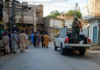
- France is assessing some of its worst civil unrest in years. Nationwide demonstrations over living costs and public services turned violent Saturday, leaving one protester dead, hundreds of police officers injured and nearly 1,800 people arrested. A town hall was burned and shops were looted in several cities. reuters.comWhy it matters: The unrest adds political instability to an important European economy already facing high energy prices, fiscal constraints and weak growth.
- Trump will conduct a 60-day review of the Russia sanctions he waived Friday. Secretary of State Marco Rubio said the administration will examine the measures’ effects on U.S. and global economies. The suspended provisions include tariffs targeting major purchasers of Russian energy. reuters.comWhy it matters: The review delays pressure on Moscow while providing temporary relief to India and other Russian-energy buyers; it also allows the administration to avoid another potential oil-price increase before the U.S. midterms.
- The Trump–Zelenskyy rupture is threatening essential support for Ukraine. Ukraine criticized the sanctions waiver as favoring Moscow. Reuters also reported that military satellite services and intelligence support experienced disruptions apparently originating from Washington, although communication between the governments continues. reuters.comWhy it matters: Reduced U.S. intelligence, communications or military assistance could materially weaken Ukraine’s defenses and encourage Russia to demand greater concessions.
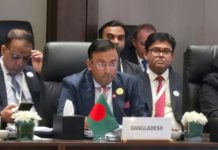
- Global economic officials warn that resilience is becoming increasingly unequal. The IMF’s steering committee said the world economy has withstood war, tariffs and expensive energy, but low-income countries are being left behind by AI-led growth and face severe debt pressures. Nearly half the delegates walked out during Russia’s address. reuters.comWhy it matters: Aggregate growth figures conceal widening differences between technology-producing economies and poorer countries burdened by debt, food costs and imported energy.
2. South Asia
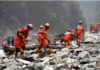
- At least 10 people died in a fire at a Cox’s Bazar beach resort. The blaze occurred Saturday near Inani Beach, a major Bangladeshi tourist destination; several other people were injured. Authorities had not publicly established the cause in initial reports. apnews.comWhy it matters: The disaster will intensify scrutiny of fire precautions, emergency exits and regulatory enforcement in Bangladesh’s rapidly expanding tourism industry.
- Bangladesh is confronting one of the world’s largest measles outbreaks. The country recorded approximately 202,000 suspected cases, including 22,000 laboratory-confirmed infections, between mid-March and October 9. Reports place the death toll above 1,100 following disruptions to routine vaccination during 2025. reuters.comWhy it matters: Measles is highly contagious but preventable; the scale of the outbreak signals serious gaps in vaccination coverage, public-health outreach and emergency preparedness.
- India has received a temporary reprieve from threatened U.S. tariffs over Russian oil. The Trump administration will use its 60-day review to consider the economic and diplomatic effects of sanctions on Russia and large energy buyers. Rubio described India as an important partner while acknowledging its continuing dependence on Russian supplies. indianexpress.comWhy it matters: The delay protects Indian trade for now, but continued uncertainty over U.S. policy complicates refinery purchasing, currency management and bilateral negotiations.
3. Maritime news
- Iran says two fully laden tankers struck mines in the Strait of Hormuz. The Revolutionary Guards reported that both vessels caught fire and were carrying a combined total of approximately four million barrels of crude. Iran said one tanker used an unauthorized route; independent confirmation of the cause, vessel identities and complete crew status was not immediately available. reuters.comWhy it matters: If independently confirmed, two mine strikes in one day would represent a major escalation and could bring commercial passage through Hormuz closer to a practical halt.
- Reported attacks around Hormuz have reached their highest weekly level of the war. UK maritime reporting recorded at least ten attacks during the week through October 17. Iran increasingly says vessels must coordinate passage with its newly established transit authority to avoid mines or other threats. cbsnews.comWhy it matters: Tehran is attempting to convert military pressure into operational control over one of the world’s most important international waterways.
- The condition of the tankers and their crews remains insufficiently verified. Iranian accounts said one vessel was immobilized and both were ablaze, but reliable casualty, pollution and salvage information was unavailable early Sunday.Why it matters: Fully laden tankers on fire present serious risks to seafarers, nearby traffic and the marine environment, quite apart from their effect on oil prices.
- Black Sea shipping remains exposed following attacks near Romania. Seven crew members from the tanker Wine Trader remain reported missing. At least five other commercial ships were struck near Romania and Bulgaria over the preceding ten days, prompting requests for additional NATO aircraft and anti-drone systems. www.reuters.comWhy it matters: Simultaneous crises in Hormuz and the Black Sea are placing seafarers, insurers and commodity routes under pressure in two strategically critical regions.