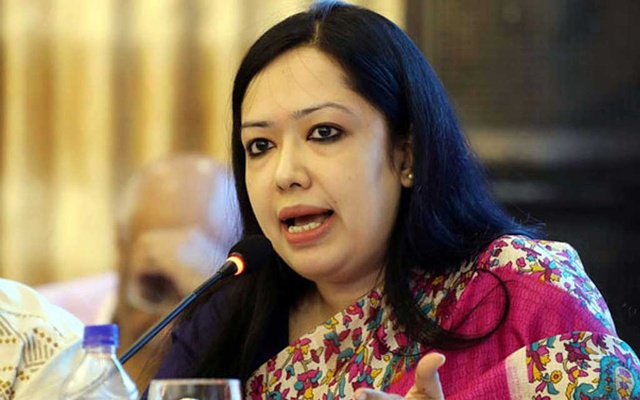
Bangladesh’s nascent democratic transition faces a critical test as the implementation of July’s National Charter comes under dispute. National Citizen Party Convener and Opposition Chief Whip Nahid Islam on Tuesday said the delay in implementing the Charter’s points could turn the opposition’s political movement into another mass uprising. Islam’s remarks come amid rising frustration among parties and activists who accuse the government of backtracking on commitments to reform that came about as a result of the historic July 20, 2024 uprising.
Speaking at a divisional rally organized by the Jamaat-e-Islami-led 11-party alliance in Barishal on July 18, Nahid said the alliance was conducting programs across the country before concluding its campaign with a major rally in Dhaka. He cautioned that unless the government implemented the charter in accordance with the referendum verdict, opposition forces could be compelled to escalate their activities.
“At this moment, we do not want to announce tougher programs, but the government is gradually pushing the situation in that direction,” he said. The statement was both a warning and an invitation to the government to resolve the dispute through constitutional and parliamentary means before political tensions spill onto the streets.
The July Charter was drafted after meetings between the interim government and dozens of other political parties after the fall of Sheikh Hasina’s government. Its provisions try to safeguard against authoritarianism returning, with proposals for greater constitutional checks and balances, judicial independence, prime ministerial term limits, broader fundamental rights, and reforms to electoral and state institutions. The referendum was held simultaneously with the February 2026 general election and was supported by a majority of voters.
Nahid says the referendum established an obligation to democratic rule that the government cannot ignore. His party agreed to sign the charter subject to conditions in February; prominent among them was full implementation of the verdict, with no political “notes of dissent” allowed to dilute the reforms. NCP now argues that further delays are treason against the voters who supported institutional reform.
Nahid also criticized Prime Minister Tarique Rahman and the governing Bangladesh Nationalist Party. Although the BNP campaigned in favor of the referendum, he alleged that it had stopped discussing both the July Charter and its own previously announced 31-point reform program after coming to power. His accusation that the BNP joined the anti-authoritarian movement primarily to regain office will undoubtedly deepen the confrontation between the government and the opposition.
However that may be, delivery would still pose valid constitutional concerns. Even with the mandate of a referendum the will of the people must be given effect through well-drafted amendments, acts of parliament and binding institutional changes. As such, the Government should release a detailed timetable for implementing each aspect of the referendum, clearly specify which elements necessitate constitutional amendment, and allow open parliamentary debate. Attempts to subvert the decision in secret would undermine public trust, but carelessly legislated reforms could spawn new controversies.
The Barishal rally also highlighted public grievances extending beyond constitutional reform. The alliance demanded lower commodity prices, improvements in transportation, relief from electricity shortages and greater development of the southern region. Nahid called on the political forces associated with the 2024 uprising to unite against corruption, extortion, unemployment and threats to national sovereignty.
Bangladesh can’t afford another round of street protests, bloody crackdowns, and political instability. The sacrifices made in 2024 also can’t be honored through empty rituals while promises go unkept. The government needs to work with opposition parties. Explain how it plans to implement the referendum, and show that winning an election doesn’t mean it’s above the mandate of the referendum. Opposition leaders, for their part, should keep their movement peaceful and avoid incendiary speech.
The July Charter is not just a political compromise. It’s an opportunity to prove that Bangladesh can turn the fervor of an uprising into permanent democratic change. If the Charter falls short, the streets will likely call again, with predictable—and perilous—consequences for the government and nation.