
Although those in power have changed since the July uprising, the old discriminatory state structure remains intact amid the rise of right-wing extremism that has triggered a new “cultural war” in the country, speakers said yesterday.
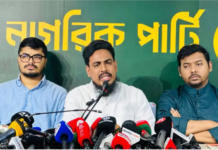
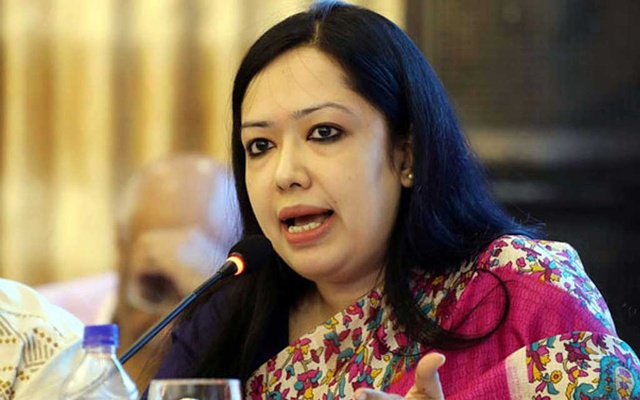
They made the remarks at a discussion titled “Achievements of July, Questions of July”, organised by the University Teachers’ Network at Dhaka University’s Muzaffar Ahmed Chowdhury Auditorium.
We have celebrated Shab-e-Barat as a religious festival since childhood. Now, fatwas are being issued claiming it is haram, as is milad. They have long labelled visiting shrines as shirk, but after August, shrines came under direct attack. Such restrictions could eventually extend to singing, dancing, and cultural institutions.
The programme began with a documentary on the network’s role in the July uprising.
Speakers later discussed the uprising’s achievements, future challenges and the actions of the interim government. While acknowledging the fall of a fascist regime and the restoration of freedom of speech, many expressed frustration over the post-uprising reality.
Prof Ahmad Mostofa Kamal of Independent University, Bangladesh said “hardliners” have been waging a cultural war since August 5.
“We have celebrated Shab-e-Barat as a religious festival since childhood. Now, fatwas are being issued claiming it is haram, as is milad. They have long labelled visiting shrines as shirk, but after August, shrines came under direct attack,” he said.
He warned that such restrictions could eventually extend to singing, dancing, and cultural institutions.
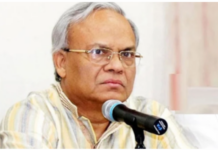
Veteran journalist and New Age Editor Nurul Kabir expressed concern over the rise of right-wing politics in the aftermath of the July uprising, criticising what he described as its “inherent narrow-mindedness”.
He said sculptures, including one of a Bir Shreshtha, were destroyed, while others depicting female figures were covered. He also criticised the interim government led by Prof Muhammad Yunus for tolerating such extremist activities.
Nurul Kabir further described Prof Yunus as an “almost apolitical” person whose cabinet included “handpicked anti-political figures, pseudo-leftists and a majority of pro-Jamaat members”.
“That is why, during its 18 months in power, the government was mostly influenced by Jamaat,” he observed.
Writer and thinker Firoz Ahmed said although leftists showed heroism during the 2024 movement, they failed to provide central leadership or a vision for the future state.
Speaking about the Chittagong Hill Tracts, Dhaka University student and Ducsu leader Hema Chakma said while graffiti was celebrated in the plains, students in Khagrachhari were detained for painting graffiti of Kalpana Chakma.
She alleged that while the killing of Tofazzal at DU drew widespread attention, the lynching of a man over alleged theft in Khagrachhari led to the killing of four indigenous people and the burning of numerous houses.
She also condemned attacks on indigenous students by an organisation called “Students for Sovereignty”.
Student representative Abdul Kader warned against treating the July uprising as anyone’s “sole property” and questioned why coordinators had distanced themselves from the teachers they had once consulted.
North South University student Hasib Hossain Shanto said although the fascist structure had been overthrown, recruitment syndicates, tender manipulation and corruption remained unchanged.
The discussion was moderated by Prof Fahmidul Haq and presided over by Prof Mirza Taslima Sultana of Jahangirnagar University.
Source: https://www.thedailystar.net/news/politics/news/july-brought-new-rulers-not-new-state-4237271