
Bangladesh’s economic recovery is facing renewed uncertainty as global commodity shocks triggered by the Middle East conflict collide with domestic structural weaknesses, Standard Chartered Bank (SCB) warned at its H1 2026 outlook briefing on Tuesday (21 April).
Speaking virtually, SCB’s Global Head of Research Eric Robertsen said financial markets are underestimating the scale and duration of the disruption, particularly around oil and gas supply routes.
“Markets are too optimistic about a quick normalisation,” he said, cautioning that even if the Strait of Hormuz reopens, it could take “weeks, if not months” for energy supplies and exports to normalise.
This prolonged disruption is likely to leave “economic scarring” across countries through supply shocks in oil, gas and fertilisers, alongside rising fiscal costs as governments roll out subsidies, price controls and other interventions.
Robertsen warned of a looming stagflationary environment, where inflation rises immediately, but growth weakens with a lag as high commodity prices erode consumer spending and business investment. “There is always a negative demand impact following a supply shock,” he said.
For emerging economies like Bangladesh, this translates into a “triple squeeze” of higher inflation, slower growth and deteriorating fiscal balances, requiring a higher risk premium in economic forecasts over the next two quarters.
He also flagged a structural shift toward “resource nationalism”, where countries increasingly use control over commodities as geopolitical leverage, suggesting energy and raw material prices could remain high even after the crisis subsides.
Against this global backdrop, SCB Bangladesh CEO Naser Ezaz Bijoy said the country’s recovery trajectory has already been disrupted.
Following a smooth political transition, there had been expectations of stronger growth driven by improving foreign exchange liquidity and easing inflation. However, the external shock has emerged as a “significant hurdle.”
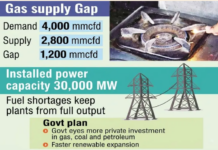
Bangladesh’s limited fiscal space remains a key constraint, with a persistently low tax-GDP ratio restricting the government’s ability to absorb shocks. Fuel price adjustments – initially delayed for political reasons – have now begun, with further increases in power tariffs expected.
“These will have an impact on inflation and the cost of doing business,” he said, adding that ensuring a reliable energy supply is now a greater priority than pricing alone.
Inflation, which had been trending downward, is rising again due to higher food and energy costs, with little prospect of easing in the near term.
The country is also facing challenges in advancing its reform agenda under the IMF programme, particularly in tax policy, banking sector governance and foreign exchange management.
However, Bijoy noted some short-term relief on the external front, with the balance of payments turning into a surplus and foreign exchange reserves stabilising, allowing the central bank to cautiously intervene in the market.
Source: https://www.tbsnews.net/economy/global-shocks-cloud-bangladeshs-fragile-recovery-despite-post-polls-optimism-stanchart